


315

Welcome to our mini teaching guide on suffixes! In this post, you’ll find many different tools to help you teach suffixes to your child, as well as downloadable resources and activities. Let’s dig in!
Continue reading…
Welcome to our mini teaching guide on suffixes! In this post, you’ll find many different tools to help you teach suffixes to your child, as well as downloadable resources and activities. Let’s dig in!
Continue reading…
Have you ever taught your child something one day, only to have him completely forget it the next? That is one of the most frustrating things as a teacher, isn’t it? One of your main goals is to make reading and spelling “stick” in your child’s brain, and this blog post will give you solid techniques for doing just that.
Continue reading…
Are you looking for a classic series to add to your family read-aloud time? Do you have a child who loves animals and epic adventure? If your family loves The Chronicles of Narnia or The Hobbit, it’s time to take a look at the Redwall Series!
Continue reading…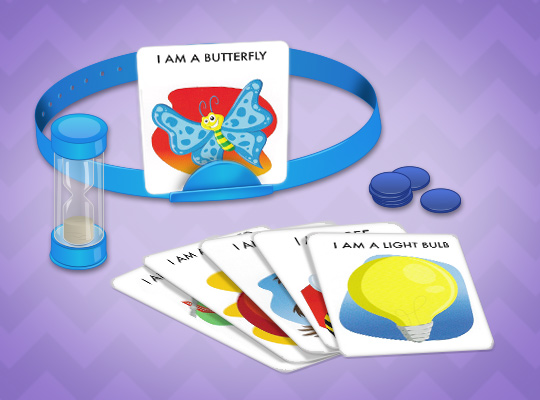
Who’s the best detective in your family? Let Hedbanz help you find out! But first, check out our short video to see the hilarious fun that Corey and Emelia had playing Hedbanz with their dad!
Continue reading…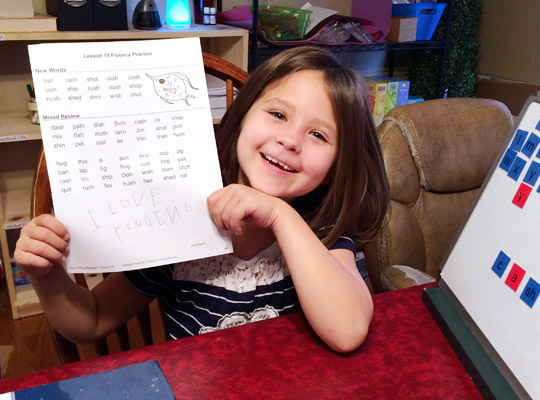
Have you ever felt like your child just doesn’t “get it”? You push and you teach and you teach some more, but you’re just met with resistance. A wide range of things can cause resistance when you’re teaching reading and spelling.
Continue reading…
It can be challenging for young readers to read at the right pace. Some kids read too slowly, while others read too fast.
Reading too fast may seem like a somewhat unlikely problem. Having a child who reads too slowly can throw up obvious red flags, but parents and teachers aren’t always as concerned when a child reads too quickly.
Continue reading…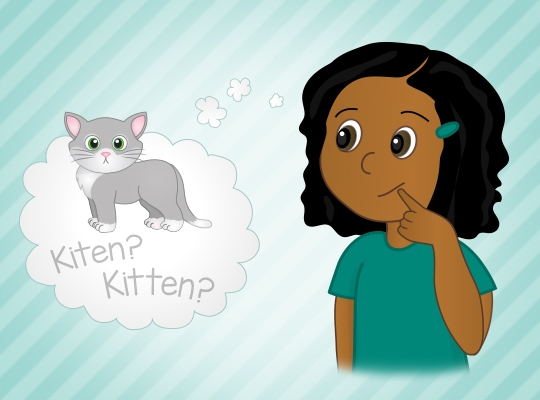
Closed and open syllables are the first two syllable types students should learn. Out of the six syllable types, these two are the easiest for students to master.
In its simplest form, a closed syllable is a vowel followed by a consonant. Examples include cap, sit, and up.
Continue reading…
When winter comes and snow piles high in the yard, there’s nothing better to do than build a snowman! This collection of sweet picture books will inspire you to create some wintertime magic with your children.
Continue reading…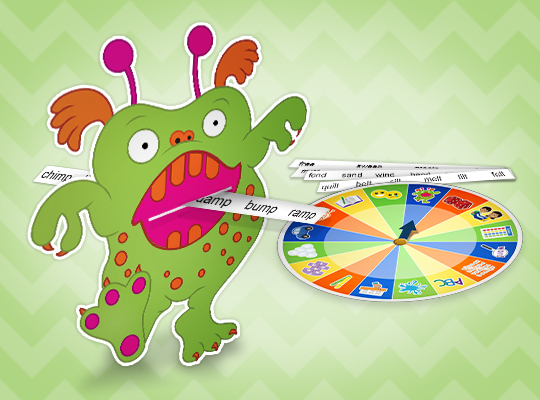
Practice Sheets are a key part of the All About Reading program, and for good reason: they help kids develop fluency, which is the ability to read smoothly, accurately, and with expression. In fact, many of you call them “fluency sheets” because they are so helpful in guiding students toward fluency.
Continue reading…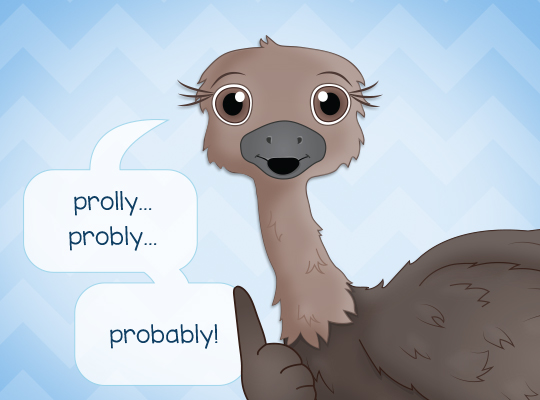
A great technique for preventing spelling errors is called “Pronounce for Spelling.”
When you pronounce for spelling, you exaggerate the pronunciation of a word to make it easier to spell. For example, in casual speech we often pronounce the word different as difrent, leaving out the second syllable. When we pronounce for spelling, we carefully enunciate each syllable (dif-fer-ent), making it much easier to spell. Continue reading…
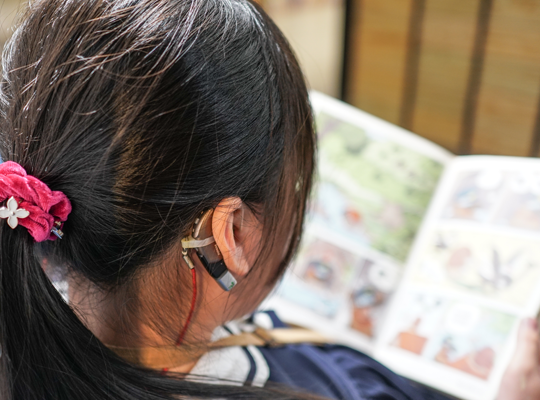
Sometimes all it takes to spark a reluctant reader’s interest in books is finding the perfect genre. Loaded with illustrations and short text blurbs, graphic novels might be just what you need to open up a whole new world of reading for your child.
Continue reading…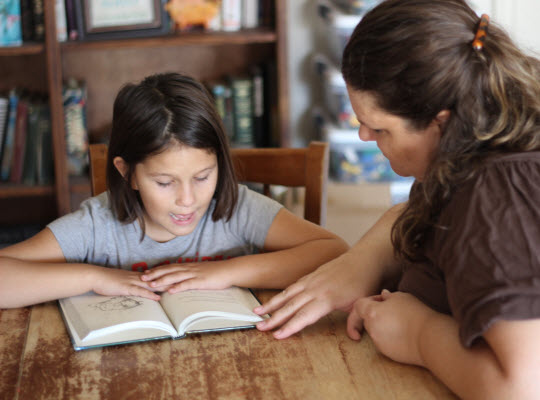
Have you tried buddy reading?
Buddy reading is a great way to help your child gain fluency. In buddy reading, you and your child take turns reading by sentence, paragraph, or page. Also called paired reading or partner reading, buddy reading has multiple benefits, but perhaps the biggest benefit is that it prevents discouragement.
Continue reading…