
Search
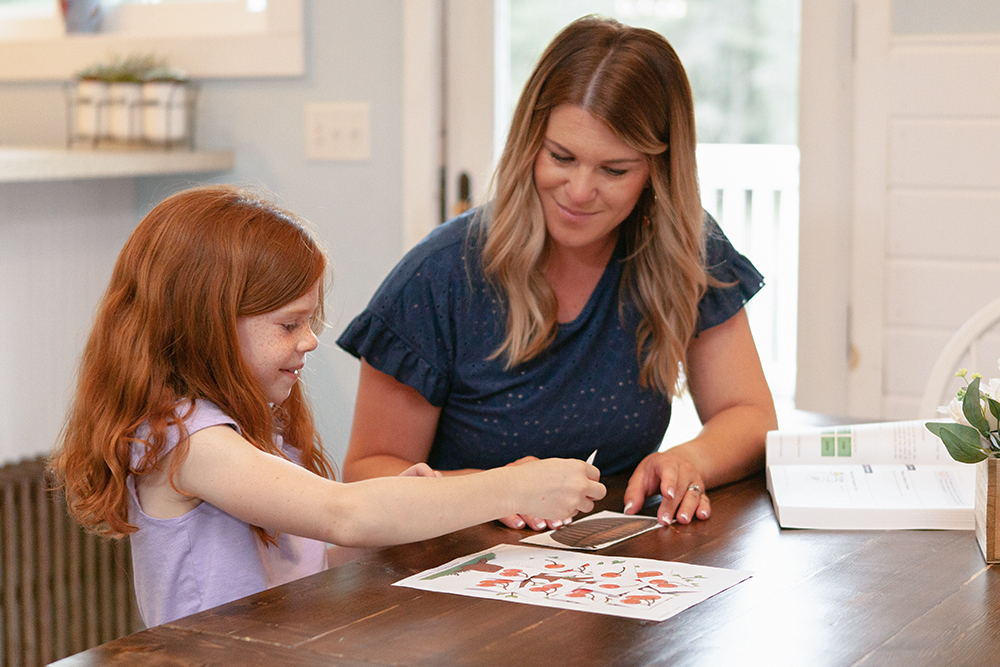
Teaching your child to read is not a one-size-fits-all process. Some children move quickly through lessons, while others need more time, repetition, and encouragement. The good news? You can meet your child’s individual needs without abandoning the structure of a research-based reading program.
Read on for seven practical ways to personalize reading instruction while building skills, confidence, and a love of learning.
Every child brings different strengths and challenges to reading. Some love books from the start. Others need more practice or encouragement before reading begins to feel comfortable.
In a recent webinar hosted by All About Learning Press, experienced homeschool parents and curriculum specialists Renee Smith, Stacey Fox, Merry Marinello, and Robin Williams shared practical ways to personalize All About® Reading while maintaining the structure that makes it effective.
A structured approach and a personalized pace can work together.
One of the most important decisions you can make is where to begin reading instruction.
All About Reading is a mastery-based program, not a grade-level program. Children progress according to their understanding of reading concepts rather than their age or grade.
Start with the All About Reading placement test, and pay attention to how comfortably your child reads. If your child can sound out words but struggles with fluency or becomes frustrated, a lower level may provide the foundation they need.
Stacey Fox recommends an approach called “easy plus one”, a teaching principle popularized by Andrew Pudewa of the Institute for Excellence in Writing (IEW). Most of the lesson should feel comfortable, with just one new skill providing an appropriate challenge.
When too many unfamiliar skills are introduced at once, children can quickly become overwhelmed. Starting at a comfortable level gives your child opportunities to succeed while building toward something new.
Why it matters: A strong foundation helps your child build confidence and prepares them for more advanced reading concepts.

A common misconception is that every reading lesson should be completed in one day. But All About Reading lessons are organized around concepts, not daily assignments.
For many children, completing one lesson over two or three days is perfectly appropriate. Others may need additional practice, while some will move more quickly.
The webinar panel recommends approximately 20 minutes of daily reading instruction, including review, activities, and games. Think of that as an upper limit, not a required minimum.
Watch for signs that your child is tired, frustrated, or less accurate. When that happens, stop early and end with something they can do successfully.
Likewise, if your child demonstrates mastery and remains engaged, there’s no need to slow them down unnecessarily.
Follow your child’s progress, not the calendar.
Some children master a new reading concept after a few practice sessions. Others need many more opportunities to review before a skill becomes automatic.
Rather than repeating the same exercises every day, find creative ways to reinforce what your child is learning. The webinar panel shared these ideas:
The All About Reading Teacher’s Manual also includes additional ideas for reviewing word cards and fluency pages.
Repetition helps build reading skills, but it doesn’t have to feel repetitive. A change of activity can give your child the practice they need while keeping lessons enjoyable.
Personalizing reading instruction isn’t only about adapting to your child. It’s also about finding a teaching routine that works for you.
Some parents enjoy preparing activities ahead of time and organizing materials in binders. Others prefer a simple open-and-go approach.
Both can work! The webinar panel emphasized that parents don’t need elaborate preparation systems to teach reading successfully.
They do recommend taking time to read the Teacher’s Manual, particularly the introductory information and the “Before You Begin” sections. These explain the purpose behind each lesson and offer guidance for teaching new concepts.
You can also choose how to organize materials, incorporate activities, and use physical letter tiles or digital tools according to your family’s preferences.
Why it matters: A routine that works for both parent and child is easier to maintain. Understanding the teaching methods gives you confidence to make thoughtful adjustments.

One of the simplest pieces of advice from the webinar was also one of the most powerful: Smile at your child during reading lessons.
Children are sensitive to our attitudes. When reading time feels stressful or tense, they may begin to associate reading with frustration rather than enjoyment.
Look for ways to make lessons positive and personal:
Stacey shared how a familiar joke with one of her teenage students became an enjoyable ritual that helped them begin each lesson.
The learning environment matters, too. Some children concentrate best in a quiet room, while others benefit from talking through concepts or incorporating movement. Choosing the right time of day can also make a difference.
Why it matters: Positive interactions and predictable routines can help children feel supported and approach reading with greater confidence.
Learning to decode words is only one part of becoming a successful reader. Children also need opportunities to develop vocabulary, listening comprehension, background knowledge, and an appreciation for stories.
One of the best ways to nurture these skills is through regular read-aloud time.
Even children who struggle with independent reading can enjoy complex stories, interesting characters, and rich language when someone reads aloud to them. The webinar panel encouraged parents to continue reading aloud throughout the elementary years and beyond.
As children listen to engaging books, they can discover what makes stories worth reading. They may even become motivated to read independently because they want to revisit a favorite.
Read-alouds also create natural opportunities for conversation. You might ask:
These conversations help your child engage with the story while enjoying books that may be beyond their current decoding abilities.
Not every child learns to read at the same pace, and some children face additional challenges because of learning differences such as dyslexia.
The webinar panel noted that children with dyslexia may show inconsistent progress. A skill that seems mastered one day may be difficult the next. This inconsistency does not necessarily indicate a lack of effort or motivation.
Instead of assuming your child isn’t trying hard enough, look for patterns that may suggest a need for additional support. Signs worth noticing include:
If you suspect dyslexia or another learning difficulty, consider seeking a professional evaluation.
The panel also discussed how spelling instruction can support reading development. Although All About Spelling is generally introduced after completing All About Reading Level 1, some older struggling readers may benefit from beginning spelling instruction earlier.
Why it matters: Recognizing learning differences helps you respond with appropriate instruction and support instead of increasing pressure.
Want more practical ideas for adapting reading lessons to your child’s needs?
Watch Literacy Success Starts Here to hear the All About Learning Press team discuss placement, pacing, review, motivation, and ways to help struggling readers succeed.
You’ll find practical strategies for providing reading instruction that is both structured and flexible.

Customer Support Representative
Stacey has more than 15 years of experience working with children and families, and eight years of experience tutoring students using All About Reading and All About Spelling.
She began homeschooling in 2018 and was inspired to learn Orton-Gillingham-based reading techniques when her son struggled to learn to read. Stacey developed a passion for helping children become confident readers through engaging, multisensory instruction.

Curriculum Support Manager
With 18 years of experience at All About Learning Press, Merry has helped thousands of customers successfully implement the programs with their students.
She is also a mom to two homeschool graduates and enjoys reading, singing, and walking in the woods in her spare time.

VP, Education Choice and Channel Partnerships
Renee’s career spanned classroom teaching, higher education, education technology, school and program development, and homeschool and education choice initiatives. She also homeschooled her three daughters for more than ten years, an experience that deeply shaped how she thinks about teaching, learning, and creating meaningful educational experiences for children.
She brings both professional experience and firsthand homeschool perspective to helping families make evidence-based instruction practical and approachable.

Curriculum Support Specialist
Robin brings decades of homeschooling and tutoring to her role at All About Learning Press, including teaching students who struggle in reading, spelling, or math. She is passionate about helping families find practical strategies that build confidence and lasting skills.


